How to start saving for a mortgage deposit
6 min | 1 October 2026

Key points:
- Setting clear savings goals and tracking your progress can make a big difference in reaching your financial targets
- Small changes to your spending habits – like cutting back on non-essentials or reviewing subscriptions – can quickly add up and boost your savings
- Automating your savings, like through pots or regular transfers, can help you stay consistent and takes the hassle out of saving
- Making the most of windfalls and government schemes can give your deposit fund a helpful boost
- Choosing the right savings account, with features that suit your needs and a competitive interest rate, can help your money work harder for you
For many buyers, the biggest barrier to homeownership isn’t the mortgage – it’s the deposit. But saving for a mortgage deposit doesn’t have to feel daunting. A mortgage deposit is simply the chunk of money you put down upfront when buying a home, usually a percentage of the property’s price. The bigger your deposit, the better your chances of snagging a great mortgage deal (and the less you’ll need to borrow).
The good news? With a bit of planning, the right tools, and a smart savings account, you can make your money work harder for you. There are plenty of ways to get there, and a few common traps to sidestep along the way. If you want to give your savings a real boost, consider opening a saver account, which is designed to help you grow your savings, which you could use for a deposit.
Options to help you save for your mortgage deposit
Ready to get started? Here are some practical ways to build up that all-important deposit.
1. Budgeting
First thing’s first: know your numbers. Take a good look at what’s coming in and what’s going out each month. Budgeting isn’t about cutting out all the fun – it’s about understanding where your money goes so you can set a realistic savings target and actually stick to it. Once you know what you can feasibly save, moving that amount into a dedicated savings account each month can help keep your deposit fund separate and growing.
2. Cutting expenses
Once you’ve got your budget sorted, it’s time to scan for the non-essentials. Maybe it’s fewer takeaways, skipping that extra streaming service or becoming more disciplined with impulse buys. Every little bit adds up and brings you closer to your new front door. By funnelling these savings straight into your savings account, you might see your deposit grow faster.
3. Automate savings or pots
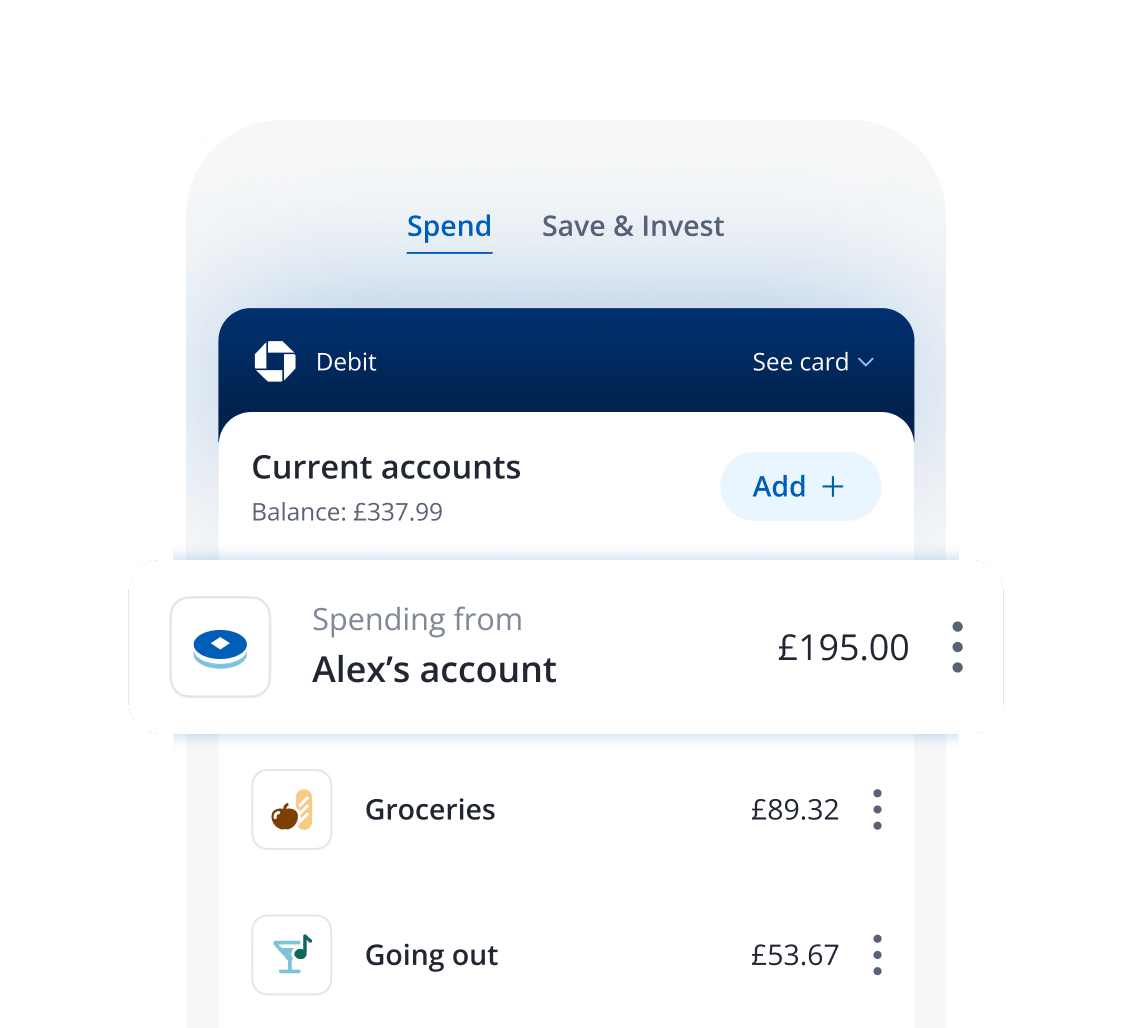
Make saving effortless by setting up savings pots or a boosted savings account. Just like setting up a direct debit for your bills, you can arrange for money to move automatically into your savings at the same time each month. Out of sight, out of mind, and your deposit grows without you having to think about it. Many savings accounts let you create separate pots for different goals, so you can keep your mortgage deposit on track.
4. Using windfalls
Windfalls don’t come around every day, but if you do get a bonus, tax refund, or a surprise gift, consider popping it straight into your savings account. It’s a quick way to give your deposit a healthy boost with minimal effort required. With a dedicated savings account, you can easily keep track of these one-off boosts.
5. Reviewing subscriptions
Subscriptions have a sneaky way of piling up. So, take a few minutes to check what you’re actually using. Cancelling or downgrading forgotten or unused services can free up cash you didn’t even realise you had – perfect for topping up your deposit fund. Transferring these extra funds into your savings account as soon as you spot them can make a real difference over time.
Government schemes
The government has a few handy ways to help you get on the property ladder:
- Lifetime ISA: With a Lifetime ISA, you can save up to £4,000 a year towards your first home, and the government will add a 25% bonus. You need to be aged between 18 and 39 to open one, and the property must cost £450,000 or less.
- Shared ownership: Buy a share of a home and pay rent on the rest – making it easier to get started with a smaller deposit. Eligibility and more info are available on the government’s shared ownership page.
Common mistakes and pitfalls
Even the best savers can trip up. Here are a couple of common mistakes to watch out for:
1. Not budgeting for fees
Your deposit is a big part of buying a home, but don’t forget the extras – surveys, legal fees, stamp duty and more. Make sure you budget for these so there are no nasty surprises down the line. Keeping these funds in a separate savings pot can help you stay organised.
2. Not shopping around for savings accounts
Not all savings accounts are created equal. Different banks offer different rates and features, so do your homework to find the best fit for you. A saver account with a competitive rate and handy features can help you reach your goal faster.
Saving for a mortgage deposit doesn’t have to be overwhelming. With the right habits, tools and a bit of discipline, you can turn your dream of owning a home into a reality. Why not take the first step today? Open a Chase saver account and start building your future, one pound at a time.
Frequently asked questions about saving for a deposit
How much do I need for a house deposit?
There’s no one-size-fits-all answer. The amount you’ll need depends on your income and the price of the home you’re aiming for. Most deposits start at 5% of the property’s value, but the more you can put down, the better your mortgage options as it reduces your loan to value (LTV) ratio. Using a savings account to track your progress can help you stay motivated.
What is LTV?
LTV stands for “loan-to-value.” It’s the percentage of the property’s price that you’ll need to borrow. A lower LTV (meaning a bigger deposit) usually means better mortgage rates, so every extra pound you save in your account can make a difference.
Can I use my Lifetime ISA?
Absolutely! A Lifetime ISA is designed to help first-time buyers save for a home under £450,000. The government adds a 25% bonus to your savings, making it a smart way to supercharge your deposit.
Related articles

How do interest rates work on savings accounts?
4 min
What is passive income and how you could earn it
6 min
What is a savings pot and how can they be used?
5 min
Individual Savings Accounts (ISA) explained
8 min
Kakeibo: The Japanese art of budgeting and saving money
5 min
What is cashback and how does it work?
4 min